
Foodward, Roestigraben Mediation & Canton of Vaud – DGAV: Create a new value chain for Swiss whey production
Whey from AOP cheese production is excluded from conventional processing into high added-value protein products due to regulatory barriers. It however represents an untapped potential to support the health needs of the aging Swiss population, while providing an additional stream of income for small-scale AOP dairies facing efficiency and profitability challenges. This transformative project, supported by partners such as the foodward foundation, Roestigraben Médiation and the DGAV (Direction générale de l’agriculture, de la viticulture et des affaires vétérinaires) at the Canton de Vaud, aimed to design a sustainable value chain for upcycling whey from small Gruyère AOP factories in the canton of Vaud. Through stakeholder interviews, market research and financial and ecological assessments, a viable centralized processing model was identified, while navigating structural data gaps inherent to the Swiss dairy sector. This exploratory project demonstrates how traditional craftmanship can be bridged with high-tech processing to redirect a nutrient-dense protein source towards nutritional needs. However, competition for different uses of whey makes this shift complex. Next steps include exploration of innovative processing business models.
From Low to High Value: Designing a Sustainable Value Chain for Premium Whey Protein from AOP Cheese
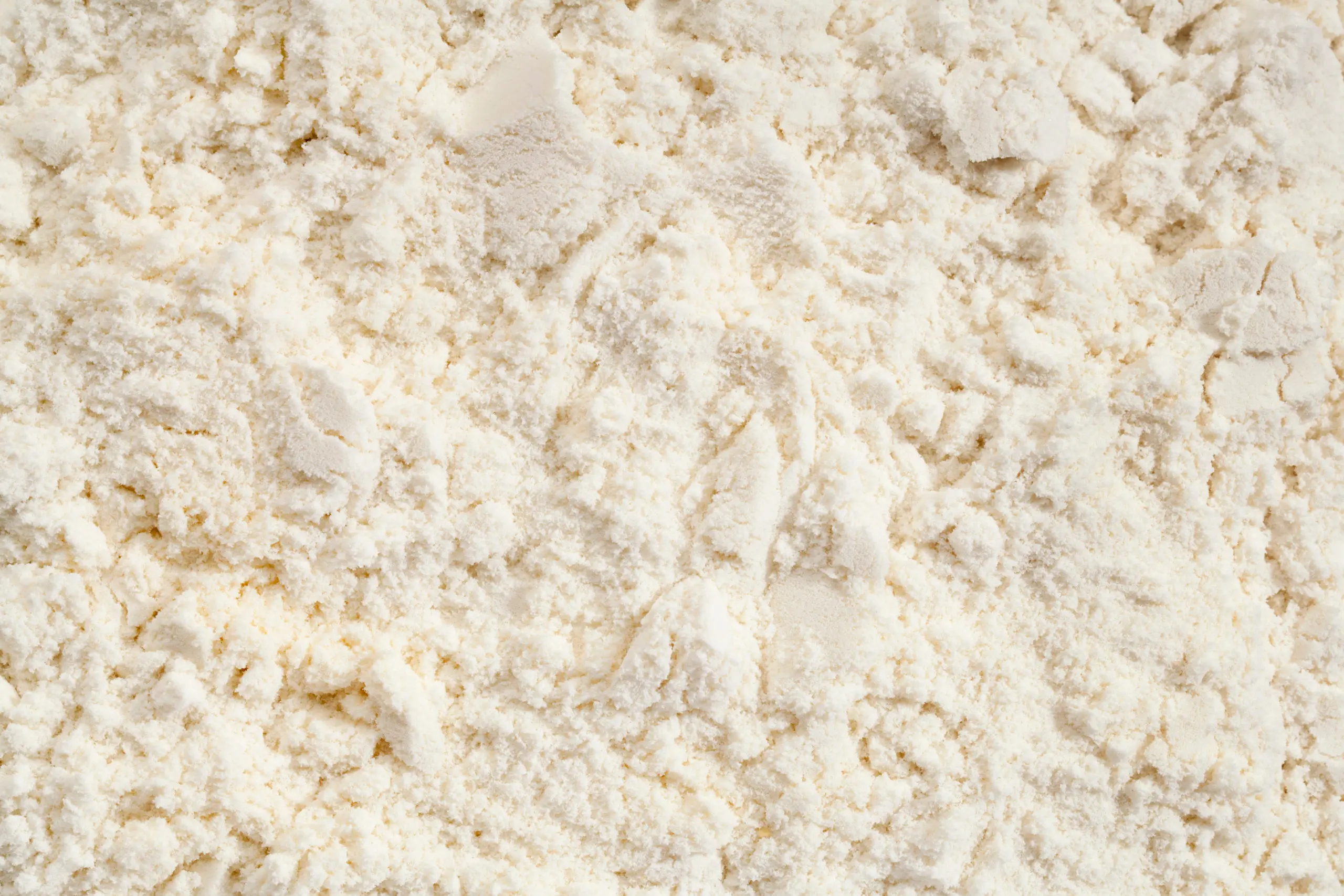
Whey, the by-product of cheese production, is a protein-rich, nutrient-dense material. Major whey processors in Switzerland cater to large, international markets, requiring compliance with strict kosher and halal norms. Unable to meet these standards due to traditional production methods, whey originating from AOP (protected designation of origin) cheese production is largely excluded from processing into high added-value protein products. It thus represents an untapped potential, while making up around one third of Swiss yearly cheese production.
Concurrently, Switzerland is experiencing population aging, and this elderly population’s protein needs are high. Yearly whey production in Switzerland holds the potential to support the dietary requirements of one fourth of this age group through valorisation into high-quality, high added-value protein products. At the same time, it could represent an additional stream of income for small-scale AOP dairies, which play an important role in supporting local ecosystems, biodiversity and soil health but face efficiency and profitability challenges.
This transformative project aimed to design a sustainable value chain for upcycling whey from small Gruyère AOP factories in the canton of Vaud. Supported by partners such as the foodward foundation, Roestigraben Médiation and the DGAV (Direction générale de l’agriculture, de la viticulture et des affaires vétérinaires) at the Canton de Vaud, its primary objective was to find a model connecting all the value chain stages, from small-scale, artisanal cheese producers to customers from high-value protein B2B markets like sports and clinical nutrition.
To gain an understanding of the current industry landscape and assess buy-in, interviews with various stakeholders were first conducted. A market analysis was carried out to assess the potential of such a project, and a financial model was constructed to evaluate financial performance. This tool was also conceived to be modulable and to allow to test different scenarios. Finally, an ecological assessment served to evaluate the environmental impact of the model. This analysis is exploratory in nature and was developed in a context of partial data availability and limited transparency in the Swiss dairy sector, making it a foundation for future refinement as access to sectoral data improves.
Results highlight that while fully centralized models provide efficient industrial processes, they require high volume thresholds to succeed financially. Ecologically, the analyses reveal that a centralized approach is also the most efficient choice. The energy efficiency of large- scale machinery outweighs the carbon footprint of transport, debunking the misconception that ultra-local supply chains are always greener in industrial processing.
This project demonstrates how traditional craftmanship can be bridged with high-tech processing to redirect a nutrient-dense protein source toward nutritional needs. However, the competition for whey as a feedstock material makes this shift complex. Whey currently serves as a free, essential feed for piglet, calf and pork breeders who rely on it for livestock growth. Diverting these flows could create an opportunity cost, both economic and environmental, if farmers are led to pay more for alternative and potentially more carbon-intensive feed.
Next steps towards the realisation of this project include the exploration of new, innovative business models in the processing field, such as processing-as-a-service and itinerant processing services.
Students: Sana Almagbaly, Nadège Baertschi, Simon Dutruy
Company’s supervisors: Fabiano De Gani for Foodward, Michael Sandmeier for Roestigraben Mediation, and Pascal Hottinger for the DGAV – Etat de Vaud
Academic supervisors: Gino Baudry
Transformative Projects’ Lead: Samuel Wicki